Clivia Card SVG: A Workflow for Elegant Paper Crafting
The integration of digital design files into physical crafting workflows represents a significant shift in how creators approach stationery and gift-making. The Clivia Card SVG serves as a prime example of this evolution, offering a structured yet flexible asset that bridges the gap between digital planning and tangible results. For professionals, hobbyists, and small business owners alike, this specific design file is not merely a graphic; it is a component within a broader production process that demands attention to detail, material selection, and machine compatibility.
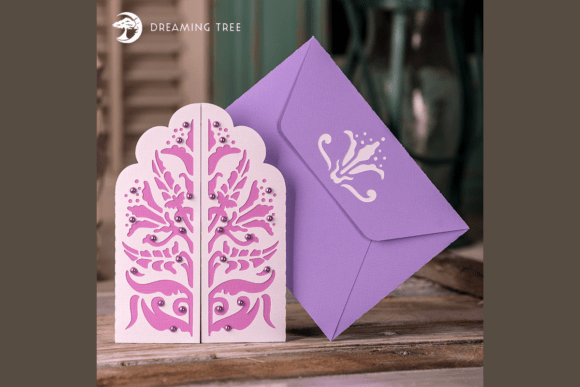
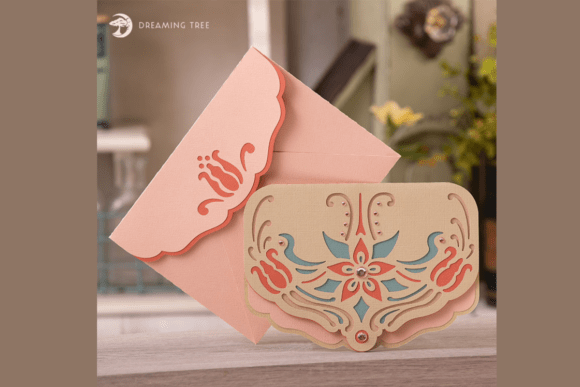
When evaluating a project like the Clivia Card SVG, the initial phase involves understanding its role in your creative pipeline. This design features a beautifully layered clivia flower, intended to bring a touch of floral elegance to paper crafting projects. Whether you are preparing a batch of cards for Mother’s Day, customizing birthday greetings, or conveying heartfelt sentiments for a client, the efficiency of your workflow depends on how well you prepare for the cut-and-assemble stages. The file is designed specifically for SVG-compatible cutting machines, ensuring that the delicate details inherent in the clivia bloom are translated accurately from screen to cardstock.
Integrating Digital Assets into Your Production Plan
Before initiating any cut, successful implementation requires a clear assessment of your current resources and the specific requirements of the design. The Clivia Card SVG is optimized for 12×12 cutting machines, a standard size that dictates the preparation of your materials. In a professional setting, where time management is critical, aligning your supply list with the design specifications prevents bottlenecks. The project calls for a precise mix of colors and textures to achieve the desired depth and visual impact.
To execute this project effectively, you must organize your workspace according to the supply list provided. The design relies on specific color palettes to create contrast and dimension. You will need two sheets of 12x12 Shrimp cardstock, one sheet of 12x12 Crawfish cardstock, and several sheets of 8.5x11 cardstock in Oatmeal, Bayou, and Latte tones. All recommended cardstock is Encore Cardstock 80 lb cover (216 gsm), chosen for its durability and ability to hold intricate cuts without fraying. By sourcing these materials in advance, you ensure that the cutting phase proceeds without interruption, maintaining a consistent rhythm in your production schedule.
It is also essential to consider the software environment. Since the Clivia Card SVG is delivered in SVG format only, it is fully compatible with all major SVG-ready cutting machines and their associated software platforms. However, compatibility extends beyond simple file opening; it involves understanding how the software interprets layers. The design includes a handy PDF legend to help you easily identify the pieces and pick your paper colors. This document acts as a crucial reference point during the loading phase, allowing you to map digital layers to physical materials before the machine begins its work.
Optimizing Material Selection and Color Strategy
The choice of materials directly influences the final quality of the assembled card. The specified cardstock weights and finishes are selected to support the layered nature of the clivia flower. When working with high-detail SVGs, thinner paper may tear during weeding, while heavier stock might struggle with tight curves. The 216 gsm weight strikes a balance, providing enough rigidity for the structural elements of the card while remaining pliable enough for the delicate petals of the flower.
In terms of color strategy, the combination of Shrimp, Crawfish, Oatmeal, Bayou, and Latte creates a sophisticated palette suitable for various occasions. These earthy and warm tones allow the floral element to stand out without overwhelming the recipient. For those managing a small business or producing cards for events, consistency in color matching is vital. Using the same brand and line of cardstock ensures that the shades remain uniform across multiple batches. If you are scaling this project, visiting a dedicated supplier, such as the 12×12 Cardstock Shop, can streamline your procurement process and ensure you have the exact specifications needed for repeatable results.
Execution: From Cutting to Assembly
Once materials are prepared and loaded, the execution phase focuses on precision and efficiency. The Clivia Card SVG is designed with ease of assembly in mind, but the complexity of the layered flower requires careful handling. After the machine completes the cut, the weeding process—removing excess material—is where patience pays off. Because the design features fine details, using appropriate tools like tweezers or a weeding hook is necessary to preserve the integrity of the clivia petals.
Assembly is facilitated by the inclusion of a step-by-step video tutorial. In a workflow context, visual guides reduce cognitive load and minimize errors. Rather than relying solely on static images or written instructions, a video allows you to observe the sequence of layering, gluing, and positioning in real-time. This is particularly valuable when introducing new team members to the process or when refining your own technique for faster turnaround times. The tutorial ensures that the final dimensions of approximately 5″H x 7″W are achieved consistently, with the envelope included to complete the package.
Flexibility is another key aspect of this workflow. While the design is optimized for specific dimensions, you can resize the project to fit your needs. However, it is important to note that resizing may alter the final dimensions slightly from the original intent. If you are adapting the card for a different envelope size or a unique presentation format, test cuts on scrap paper are advisable. This trial run helps verify that the proportions of the flower and the text elements remain balanced after scaling.
Quality Control and Long-Term Utility
Maintaining quality control throughout the process ensures that every card meets professional standards. Inspect each piece for clean edges and proper alignment before applying adhesive. The use of rhinestones, listed as optional in the supply list, adds a finishing touch that elevates the perceived value of the card. When adding embellishments, consider the longevity of the adhesive; glue that dries too quickly may not allow for adjustments, while slow-drying options offer more flexibility during placement.
For long-term use, organizing your digital assets is just as important as organizing your physical supplies. Store the Clivia Card SVG file and its accompanying PDF legend in a dedicated folder within your project management system. Tagging the file with relevant keywords such as "floral," "layered," "Mother's Day," and "birthday" makes it easy to retrieve for future projects. This organization supports a scalable workflow, allowing you to quickly pivot to similar designs when demand increases.
Furthermore, understanding the limitations and capabilities of your equipment enhances overall efficiency. If you frequently work with 12×12 mats, the Clivia Card SVG fits seamlessly into your existing setup. However, if you utilize smaller machines, you may need to adjust your layout strategy to accommodate the design's footprint. Planning for these variables ahead of time prevents wasted materials and ensures that your production schedule remains on track.
Ultimately, the Clivia Card SVG is more than a single design file; it is a tool that, when integrated thoughtfully into your workflow, streamlines the creation of high-quality, handcrafted stationery. By focusing on preparation, material consistency, and precise execution, you can transform digital assets into elegant physical products that resonate with recipients. Whether used for personal gifts or commercial ventures, the structured approach to this project ensures reliable outcomes and a satisfying creative experience.