Pixel Heart Like Icon: A 3D Printing Design Evaluation
The intersection of retro digital aesthetics and modern manufacturing has created a niche for decorative objects that bridge the gap between virtual and physical spaces. The Pixel Heart Like Icon is a prime example of this trend, offering a tangible representation of a ubiquitous social media symbol through the lens of pixel art. This design serves as more than just a visual novelty; it is a functional digital asset intended for fabrication via 3D printing. For makers, designers, and enthusiasts considering this model, understanding its technical specifications, customization potential, and practical applications is essential before proceeding with a download or print job.
Understanding the Design Concept
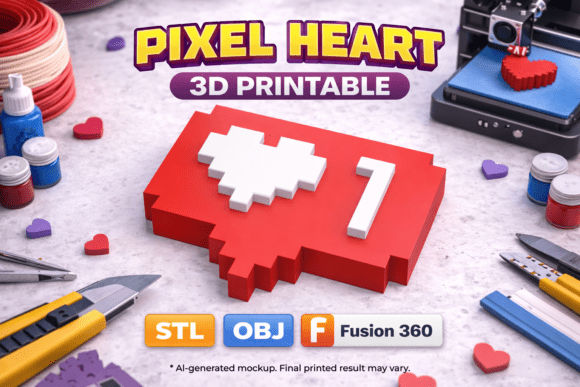
The Pixel Heart Like Icon is a modern 3D design that draws inspiration from two distinct visual languages: the blocky, grid-based nature of classic pixel art and the sleek, rounded geometry often found in contemporary social media notification icons. Unlike traditional flat images, this model exists as a three-dimensional object designed to occupy physical space on a desk, shelf, or display unit. The geometry is constructed with clean lines and smooth surfaces, ensuring that the transition from digital file to printed object maintains the integrity of the original artistic vision.
At its core, the design represents a "like" button—a universal symbol of approval and engagement in the digital age—reimagined as a collectible physical artifact. The aesthetic is playful yet structured, making it suitable for environments ranging from personal home offices to professional creative studios. It appeals to those who appreciate the nostalgia of early computing while valuing the precision of modern 3D modeling software.
Technical Specifications and File Formats
A critical factor in evaluating any 3D printable model is the quality and versatility of the provided files. The Pixel Heart Like Icon package includes STL, OBJ, and the fully editable Autodesk Fusion 360 project file (.f3d). This variety offers significant advantages for users with different levels of technical expertise.
- STL Files: These are standard mesh files compatible with almost all slicing software. They are ideal for users who wish to print the design immediately without modification. The geometry is optimized for both home and professional 3D printers, reducing the likelihood of errors during the slicing process.
- OBJ Files: Similar to STL but capable of storing texture and color information, these files offer an alternative format for specific rendering or printing workflows.
- Fusion 360 Project (.f3d): This is the most valuable asset for advanced users. The .f3d file contains the parametric history of the model, allowing for deep customization. Users can adjust dimensions, wall thickness, internal structures, and even modify the shape of the pixels themselves.
The inclusion of the source file distinguishes this product from static downloads. It empowers the user to adapt the model to specific printer capabilities, material constraints, or design preferences. However, it also requires access to Autodesk Fusion 360, which may present a learning curve for beginners unfamiliar with CAD software.
Benefits of Customization and Adaptability
The primary benefit of the Pixel Heart Like Icon lies in its flexibility. Because the model is fully editable, it can be scaled to fit various contexts. A small version might serve as a keychain or a figurine for a miniature setup, while a larger scale could function as a statement piece on a desk. The ability to modify thickness is particularly important for structural integrity; thinner walls may fail during printing or break easily, while thicker walls ensure durability at the cost of material usage and print time.
Furthermore, the clean geometry of the model makes it forgiving during the printing process. Smooth surfaces reduce the visibility of layer lines, a common issue in FDM (Fused Deposition Modeling) printing. This characteristic allows the design to look polished even when printed on entry-level machines. For content creators and designers, the ability to tweak colors and details means the object can be integrated into broader branding projects or thematic displays without requiring complex post-processing.
Considerations and Tradeoffs
While the design offers numerous advantages, potential buyers must weigh certain tradeoffs. First, the reliance on pixel art aesthetics limits the appeal to those who specifically enjoy this style. In a setting that demands high-end realism or organic curves, the blocky nature of the Pixel Heart Like Icon may appear out of place. Second, the requirement for Fusion 360 to unlock full customization capabilities introduces a barrier to entry. Users without a license or experience in parametric modeling will be restricted to the pre-set STL files, limiting their ability to optimize the model for unique needs.
Additionally, as a digital product, there is no physical item shipped. This means the buyer assumes full responsibility for the printing process, including material selection, machine calibration, and post-processing. If a user lacks access to a 3D printer, they must either purchase one or utilize a third-party printing service, which adds cost and logistical complexity. The final quality of the object is directly dependent on the user's skill level and equipment quality.
Situational Fit and Alternatives
The Pixel Heart Like Icon is a strong fit for several specific scenarios. It is ideal for makers who want to practice scaling and modifying models within a CAD environment. It suits content creators looking for unique props that resonate with a tech-savvy audience. Furthermore, it serves well as a gift for individuals who appreciate digital culture, gaming, or social media themes, provided the recipient has the means to print it or the giver handles the fabrication.
However, alternatives may be worth considering in other situations. If a user seeks a ready-to-display object without the effort of printing, purchasing a pre-made resin or plastic figurine would be more appropriate. For those interested in heart-themed decor but preferring a non-pixelated, realistic look, models featuring anatomical hearts or stylized romantic designs would be better choices. Additionally, if the goal is mass production for resale, the user should evaluate whether the licensing terms allow for commercial use of the printed items. While selling the physical object is permitted, the volume and scale of production should align with the creator's guidelines.
Decision-Making Insights
Determining whether the Pixel Heart Like Icon aligns with your goals requires a clear assessment of your resources and intentions. Ask yourself if you have access to a 3D printer or a reliable printing service. Consider your comfort level with 3D modeling software; if you plan to customize the design, familiarity with Fusion 360 is highly beneficial. Evaluate the aesthetic requirements of your space or project to ensure the pixel art style complements the existing environment.
Ultimately, this design offers a balance between artistic expression and technical utility. It provides a foundation for creativity while maintaining a level of polish that ensures a satisfying result. By understanding the capabilities of the included file formats and the expectations of the printing process, users can make an informed decision about integrating this digital asset into their workflow. Whether used as a standalone decorative piece or a component of a larger creative project, the Pixel Heart Like Icon stands as a versatile tool for the modern maker.