Winter Mitten Pattern Texture Roller: A Practical Evaluation
For crafters and bakers seeking to add seasonal detail to their work, the Winter Mitten Pattern Texture Roller offers a specialized solution for creating consistent surface textures. This tool is designed to transfer a specific design onto pliable materials, transforming flat surfaces into textured finishes featuring stylized mittens and snowflakes. Understanding the mechanics, applications, and limitations of this tool is essential for determining if it fits your specific project requirements.
Understanding the Tool Design and Mechanics
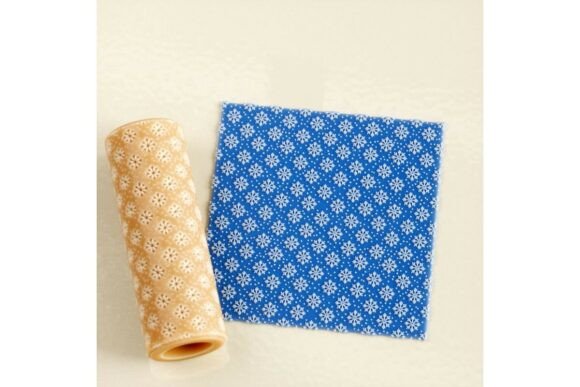
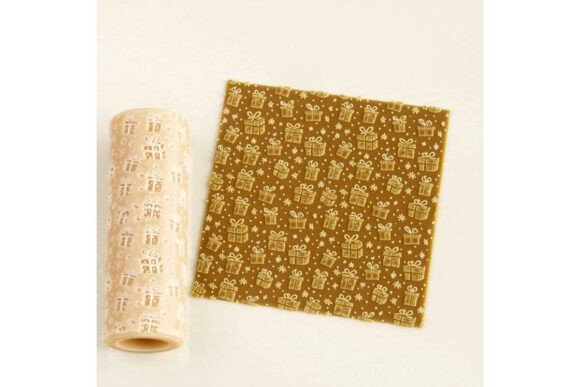
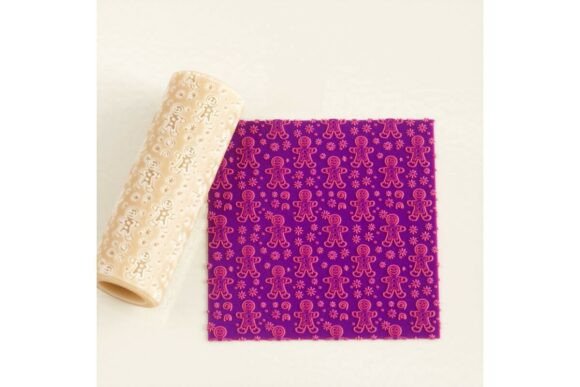
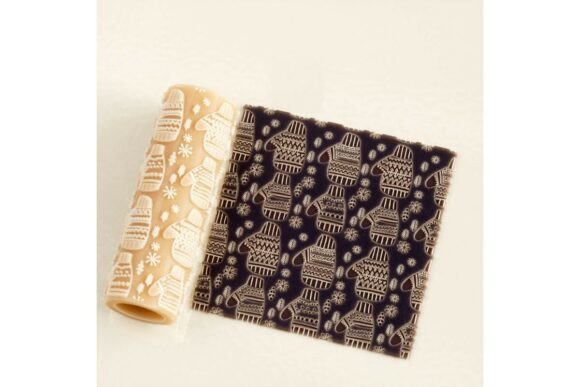
The Winter Mitten Pattern Texture Roller functions as a debossed rolling pin. Unlike standard rolling pins that flatten dough or clay, this tool features a precisely carved surface with indented patterns. When rolled across a soft medium, these indentations displace material to create raised, embossed details on the opposite side. The specific design includes various stylized mittens decorated with Nordic or Fair Isle motifs, interspersed with small snowflake elements.
Structurally, the roller is constructed from a durable, tan-colored material. A key design feature is its hollow core. This construction reduces the overall weight of the tool while maintaining structural integrity. The reduced mass allows users to apply even pressure without excessive force, which is critical for achieving a crisp impression without distorting the underlying material. The lightweight nature also minimizes hand fatigue during repetitive rolling tasks.
Primary Applications and Use Cases
The versatility of the Winter Mitten Pattern Texture Roller extends across several creative disciplines. Its effectiveness depends largely on the consistency and malleability of the material being worked upon.
- Baking and Pastry: In culinary arts, the roller is frequently used on fondant, cookie dough, and marzipan. It creates uniform decorative patterns on holiday cookies or cake toppers without the need for intricate piping or stamping.
- Polymer Clay Projects: Crafters use this tool to texture polymer clay before baking. The resulting raised pattern can be painted or glazed to enhance the visual depth of jewelry, charms, and ornaments.
- Ceramics and Pottery: For leather-hard clay, the roller provides a quick method to add tactile interest to tiles, bowls, or figurines. The Nordic designs align well with rustic or winter-themed ceramic collections.
- DIY Home Decor: Beyond traditional crafts, the tool can be applied to air-dry clays used in gift wrap embellishments, wall hangings, or custom paper weights.
Benefits and Advantages
The primary advantage of using a dedicated texture roller like the Winter Mitten Pattern Texture Roller is efficiency. Creating complex Nordic patterns by hand requires significant skill and time. This tool automates the process, ensuring that every repetition of the pattern is identical. Consistency is particularly valuable when producing batches of items, such as a dozen holiday cookies or a set of matching earrings.
Furthermore, the embossed result adds a professional quality to finished goods. The raised texture catches light differently than a flat surface, adding dimensionality that simple paint or ink cannot achieve. The hollow-core design facilitates control; because the tool is lighter, users can better gauge the amount of pressure needed. Applying too much pressure can cause the pattern to blur or the material to tear, while too little results in a faint impression. The balanced weight helps mitigate these risks.
Tradeoffs and Considerations
While effective, the Winter Mitten Pattern Texture Roller has specific limitations that buyers should consider. The most significant constraint is the fixed design. Once purchased, the pattern is permanent. If a crafter prefers variety, they may find themselves needing multiple rollers to cover different themes, which can become costly compared to purchasing individual stamps or molds.
Maintenance is another factor. Because the pattern consists of deep, detailed indentations, debris from clay or dough can accumulate in the crevices. Cleaning requires careful attention, often necessitating soft brushes or toothpicks to remove stuck material without damaging the carving. If not cleaned thoroughly, residue can harden and ruin future impressions.
Additionally, the tool is only suitable for soft, pliable materials. It will not function on hard surfaces, liquids, or materials that do not hold an impression well. Users must ensure their medium is at the correct stage of hardness—too dry, and the pattern will crack; too wet, and the details will smear.
Situations Where Alternatives May Be Better
In certain scenarios, other tools may offer superior results compared to a texture roller. If a project requires a single, isolated image rather than a continuous repeating pattern, a silicone mold or a handheld stamp is more appropriate. Rollers create a seamless strip of design, which might look awkward on small, circular objects where the pattern repeats unnecessarily.
For projects requiring high relief or three-dimensional sculpting, a roller is insufficient. It creates surface texture but does not add significant volume. If the goal is to create a fully 3D mitten shape, a mold would be the necessary choice. Similarly, for very large scale projects, such as texturing a massive sheet of clay for a mural, a larger industrial roller or a hand-carved block might provide better coverage and durability.
Decision-Making Insights
When evaluating whether the Winter Mitten Pattern Texture Roller aligns with your goals, consider the frequency of use and the type of projects you undertake. If you regularly produce winter-themed baked goods or polymer clay jewelry, the investment in this specific tool pays off through speed and consistency. The ability to produce professional-looking textures quickly makes it a strong asset for hobbyists looking to sell their goods or for professionals managing tight deadlines.
However, if your crafting interests are sporadic or if you prefer a wide variety of non-seasonal designs, a generic texture mat or a set of interchangeable stamps might offer better value. These alternatives allow for greater flexibility without committing to a single theme.
Ultimately, the Winter Mitten Pattern Texture Roller is a specialized instrument best suited for those who value the specific aesthetic of Nordic and Fair Isle patterns in their winter projects. By understanding its mechanical advantages regarding pressure distribution and its limitations regarding design flexibility, crafters can make an informed decision about whether this tool will enhance their workflow or remain underutilized.