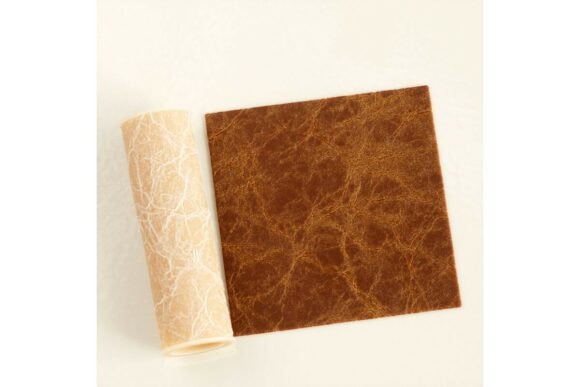
Aged Leather Effect Embossing Rolling Pin: A Practical Evaluation
For artisans working across diverse mediums, achieving a convincing leather texture is often a significant challenge. The organic complexity of weathered hide—characterized by fine creases, natural grain, and subtle wrinkles—is difficult to replicate by hand. This is where the Aged Leather Effect Embossing Rolling Pin enters the workflow. Designed to transfer a realistic leather pattern onto soft surfaces, this tool offers a method for adding high-end detail without the labor-intensive process of hand-carving or the expense of sourcing genuine materials. Understanding its capabilities, limitations, and ideal applications is essential for determining if it fits your specific creative needs.
Understanding the Tool and Its Mechanism
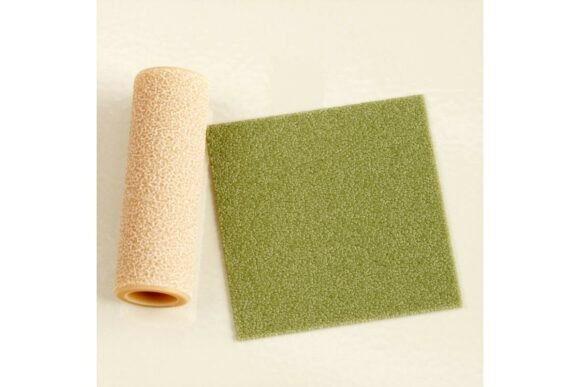
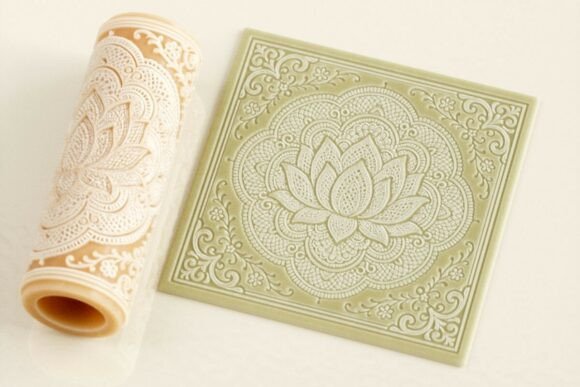
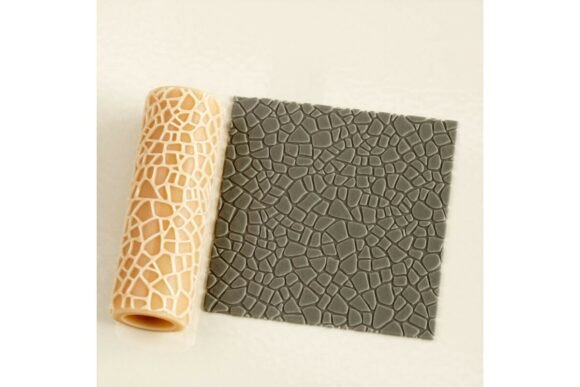
The Aged Leather Effect Embossing Rolling Pin is a specialized texturing implement featuring an intricate, organic pattern molded into its exterior surface. Unlike standard rolling pins used for flattening dough or clay, this tool is designed specifically for embossing. Its primary function is to press a raised texture into pliable materials such as polymer clay, fondant, EVA foam, and pottery clay. The design mimics the irregularities found in authentic, aged leather, providing a visual and tactile finish that suggests wear and history.
A key structural feature of this rolling pin is its hollow core. This design choice serves two practical purposes. First, it significantly reduces the overall weight of the tool, making it easier to maneuver with precision over delicate projects. Second, the lightweight nature allows for consistent pressure application, which is critical for achieving a uniform texture without accidentally distorting the underlying material. When rolled across a soft substrate, the roller creates a continuous, seamless impression that avoids the repetitive "stamp" look often associated with single-use molds.
Why Consider a Texturing Roller?
Crafters often seek the Aged Leather Effect Embossing Rolling Pin when they need to scale up production or improve the realism of their work. Hand-texturing leather effects requires advanced skill and time; replicating the random nature of natural grain with a needle tool or blade is slow and prone to inconsistency. For hobbyists and professionals alike, the roller offers a balance between efficiency and aesthetic quality.
The interest in this tool typically stems from the desire to create items that appear expensive or vintage. Whether crafting miniature accessories for dolls, designing props for performance, or decorating cakes, the perception of authenticity adds value to the final piece. By using a dedicated texture roller, creators can bypass the cost of purchasing real leather while still achieving a look that satisfies the viewer's eye. It transforms basic materials into something that appears weathered and tactile, bridging the gap between raw medium and finished art.
Benefits and Tradeoffs
Evaluating the Aged Leather Effect Embossing Rolling Pin requires looking at both its advantages and its constraints. The primary benefit is versatility. Because the texture is applied via rolling, it works on curved and flat surfaces alike, making it suitable for complex shapes like boots, saddles, or mug handles. The hollow design ensures that the user maintains control, reducing fatigue during longer sessions. Furthermore, the seamless nature of the roll prevents visible seams or repeating patterns that can break the illusion of realism.
However, there are tradeoffs to consider. The effectiveness of the roller is entirely dependent on the condition of the material being worked on. If the clay is too hard, the texture will not register deeply enough; if it is too soft, the details may collapse under the pressure. Users must have a firm understanding of their medium's consistency to get optimal results. Additionally, while the pattern is organic, it is still a fixed mold. On very large surfaces, there is a slight risk of the pattern repeating in a way that the eye might detect, though the design attempts to minimize this through irregular spacing.
Cleaning is another consideration. While the hollow design aids handling, the intricate grooves of the leather pattern can trap dust, dried clay, or sticky residue. Regular maintenance is required to prevent debris from filling the crevices, which would result in a muddied texture on future projects. Unlike smooth tools that can be wiped clean instantly, this roller requires more deliberate care, often involving brushes or compressed air to clear the fine details.
Ideal Applications and Use Cases
This tool is a strong fit for several specific disciplines where texture defines the outcome:
- Polymer Clay Sculpting: For artists creating miniature fashion or historical artifacts, the roller is indispensable. It allows for the rapid creation of realistic book bindings, handbags, jackets, and footwear. The ability to apply texture to small, curved areas makes it superior to flat stamps for these detailed miniatures.
- Cosplay and Prop Making: In the realm of costume design, EVA foam is a staple material. Transforming plain foam into worn armor or leather straps is a common requirement. The Aged Leather Effect Embossing Rolling Pin provides a quick way to add depth and character to foam pieces before painting, saving hours of carving time.
- Pottery and Ceramics: Potters seeking to add an organic, tactile surface to functional ware like mugs or vases can use this tool on greenware (leather-hard clay). It introduces a unique grip and visual interest that contrasts well with glazed finishes.
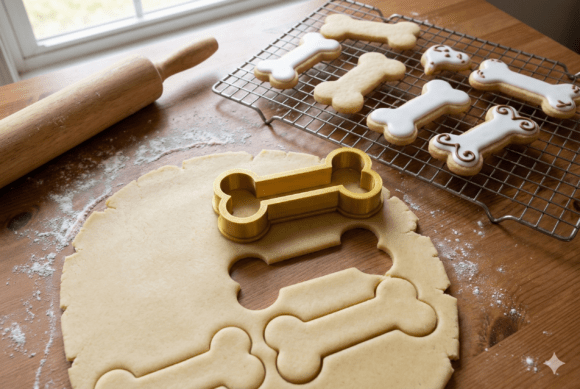
- Baking and Cake Design: Pastry chefs and cake decorators often need thematic elements for western, travel, or fashion-themed cakes. Using the roller on fondant or gum paste allows for the creation of luggage accents, belts, or jacket textures that look edible yet highly realistic.
When to Consider Alternatives
While the Aged Leather Effect Embossing Rolling Pin is versatile, it is not the solution for every project. If a creator needs a highly specific, non-repeating pattern that differs from the standard "aged" look, custom molding or hand-carving may be necessary. Similarly, for extremely rigid materials that cannot be softened without compromising structural integrity, this tool will be ineffective.
Another scenario where alternatives might be preferred is when working on microscopic scales where the roller's width is too broad to navigate tight corners. In such cases, smaller texture stamps or fine-tipped tools offer greater precision. Additionally, if the project requires a perfectly smooth leather look rather than a weathered one, this specific roller would be counterproductive, and a smooth finishing tool would be more appropriate.
Decision-Making Insights
Before investing in an Aged Leather Effect Embossing Rolling Pin, assess your current workflow and material preferences. If you frequently struggle with the time consumption of hand-texturing or find that your painted surfaces lack the necessary depth to sell the illusion of leather, this tool addresses those pain points directly. It is particularly valuable for those who produce multiple similar items, as it ensures consistency across a batch of work.
Consider the learning curve involved. While the tool simplifies the texturing process, mastering the pressure and speed required to avoid damaging delicate materials takes practice. It is advisable to test the roller on scrap pieces of your chosen medium first to gauge the right level of force. If your projects demand a wide variety of textures beyond just leather, you might also evaluate whether a set of interchangeable rollers or a collection of different textured stamps would provide better long-term value.
Ultimately, the decision comes down to the balance between efficiency and artistic control. For those prioritizing the realistic appearance of weathered hide across various mediums—from clay to fondant—the Aged Leather Effect Embossing Rolling Pin offers a practical, cost-effective solution that elevates the perceived quality of handmade goods. It is a tool that rewards patience and technique, turning simple materials into objects with the character of age and use.