Mastering Zen Textures: The Art of the Floral Lace Lotus Embossing Rolling Pin
In the world of creative arts, from the delicate sweetness of baking to the earthy solidity of pottery, the tools we choose often define the quality and character of our final work. Among the most transformative tools available to modern crafters is the Floral Lace Lotus Embossing Rolling Pin. This specialized implement goes far beyond the simple function of flattening dough or clay; it acts as a bridge between the artist's hand and intricate, serene design. By utilizing this unique roller, creators can instantly infuse their projects with a sense of calm, symmetry, and botanical beauty that would take hours to achieve by hand.
The allure of the lotus flower has spanned centuries and cultures, symbolizing purity, enlightenment, and rebirth. When translated into a tactile texture through a Lotus Mandala Tile Texture Roller, these symbolic meanings are physically embedded into the material being worked on. Whether you are a seasoned ceramicist looking to elevate your slab-built vessels or a home baker seeking to impress guests with sophisticated cookie designs, understanding how to leverage this tool can significantly expand your creative repertoire.
The Anatomy of an Embossing Roller
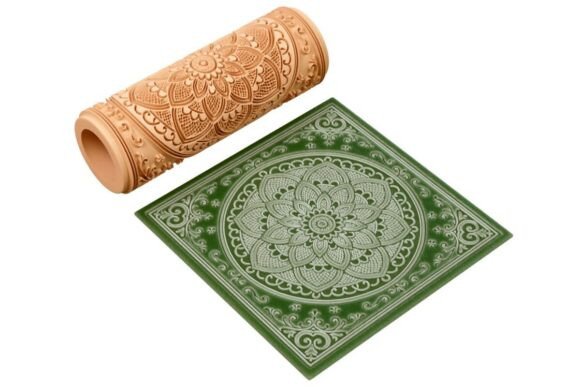
To truly appreciate the capabilities of this tool, one must first understand its construction. Unlike traditional rolling pins made of solid wood or marble, the Floral Lace Lotus Embossing Rolling Pin features a lightweight, hollow-core design. This engineering choice is not merely for weight reduction; it serves a critical functional purpose in achieving high-quality results.
The hollow core allows the user to apply even pressure across the entire surface area of the pin without the fatigue associated with heavy, solid rollers. When rolling over soft surfaces like polymer clay or fondant, consistent pressure is paramount. If a pin is too heavy, it may crush delicate details; if it is uneven, the texture will be patchy. The balanced weight distribution of this roller ensures that every fine dot, scalloped border, and petal curve is captured with precision.
Furthermore, the interior space facilitates easier cleaning. In baking applications, where hygiene is non-negotiable, or in pottery, where dried clay can harden in crevices, the ability to access the inside of the roller makes maintenance straightforward. This thoughtful design underscores the importance of ergonomics in modern crafting tools, allowing artists to focus on creativity rather than struggling with unwieldy equipment.
Decoding the Design: From Lotus to Lace
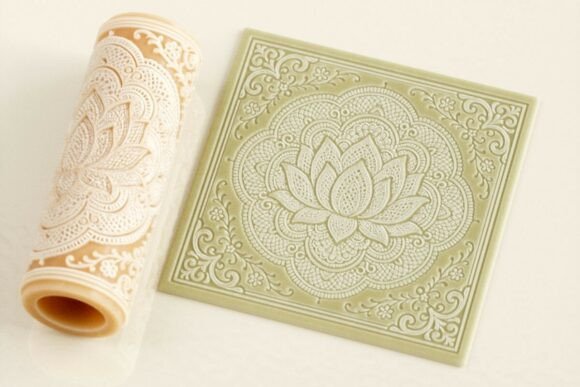
The visual impact of the Floral Lace Lotus Embossing Rolling Pin lies in its complex yet harmonious pattern. At the heart of the design is a blooming lotus flower, rendered with a symmetrical arrangement that radiates outward. This central motif is surrounded by delicate, lace-like details that mimic the intricacy of hand-woven textiles. The design is further framed by elegant floral scrollwork in the corners, creating a perfect square tile effect.
This "tile effect" is particularly significant for creators who wish to produce modular designs. When rolled onto a large sheet of material, the pattern repeats seamlessly, allowing for the creation of continuous borders or large-scale textured backgrounds. The transition from the deep relief of the lotus petals to the finer lines of the lace creates a dynamic interplay of light and shadow, adding depth and dimension to flat surfaces.
For those interested in the spiritual or aesthetic aspects of art, the lotus mandala represents a journey from the center outward. Using this roller is akin to practicing mindfulness; each roll requires a steady hand and a focused mind, mirroring the meditative qualities of the lotus itself. The resulting texture is not just decorative; it evokes a feeling of serenity and balance, making it ideal for Zen-inspired projects.
Applications Across Creative Disciplines
The versatility of the Lotus Mandala Tile Texture Roller is one of its greatest assets. It transcends the boundaries of a single craft, finding utility in a wide array of disciplines. Here is how different creators can integrate this tool into their workflow:
Pottery and Ceramics
For potters, texture is key to breaking the monotony of smooth glazes. The roller is perfect for creating decorative tiles, coasters, or textured slab-built vessels. Imagine a dinner plate where the rim features the raised, intricate scrollwork of the lotus design, catching the light as diners eat. Or consider a wall hanging composed of individual square tiles, each embossed with the central lotus motif, creating a cohesive yet detailed mosaic. The deep, high-relief texture created by the roller holds glaze beautifully, enhancing the color variations during the firing process.
Polymer Clay Crafting
In the realm of polymer clay, detail is everything. This tool is indispensable for crafting bohemian jewelry, yoga-themed decor, or journal covers. Because polymer clay remains pliable until baked, the roller can imprint incredibly fine details that might otherwise be lost. A small pendant featuring the lotus center can become a statement piece of spiritual jewelry. Similarly, covering a leather-bound journal with a sheet of clay embossed with the lace pattern adds a layer of sophistication and personalization that mass-produced items cannot match.
Baking and Pastry Arts
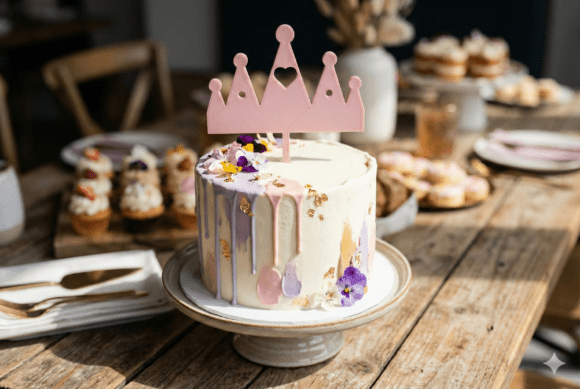
Bakers often struggle to add professional-grade detailing to cookies and cakes without expensive molds. The Floral Lace Lotus Embossing Rolling Pin solves this problem elegantly. When used on sugar cookie dough or fondant cake tiers, it transforms a simple round cookie into a work of art. The texture provides a natural grip for icing and helps hide minor imperfections in the dough. For wedding cakes or special occasion desserts, the elegant floral scrollwork adds a touch of vintage charm and refinement.
Mixed Media and Paper Crafts
Beyond clay and dough, this tool finds a place in mixed media art. Artists can use it to create textured backgrounds for paintings, scrapbooking, or card making. By pressing the roller into thick paper, fabric, or even wax resist surfaces, one can create a tactile base that invites further artistic exploration. The raised patterns catch paint differently than flat areas, creating subtle gradients and shadows that add depth to two-dimensional works.
Techniques for Success
While the tool is designed for ease of use, mastering it requires a few key techniques to ensure the best results. First, always prepare your surface properly. Whether working with clay or dough, ensure the material is at the correct consistency—soft enough to accept the impression but firm enough to hold the shape.
Second, apply consistent, gentle pressure. The lightweight nature of the roller means you do not need to force it down. Let the weight of the pin and the rotation of your hands do the work. Pushing too hard can distort the delicate lace details or cause the material to stretch unevenly.
Third, clean the roller immediately after use. Dried clay or hardened dough can ruin the fine details of the mold. Use a soft brush or a damp cloth to remove residue from the crevices. Because of the hollow design, you can also rinse the inside if necessary, ensuring the tool remains in pristine condition for future projects.
Dispelling Common Misconceptions
A common misunderstanding among beginners is that embossing rollers are only for decoration and do not contribute to the structural integrity of a piece. In reality, the texture created by the Lotus Mandala Tile Texture Roller can strengthen thin sheets of clay by redistributing stress points. Additionally, some assume that such intricate tools are difficult to clean or maintain. As noted, the hollow-core design actually simplifies the cleaning process compared to solid, deeply grooved alternatives.
Another assumption is that these tools are exclusive to professionals. On the contrary, the ergonomic design makes them accessible to hobbyists and children alike. The intuitive mechanism lowers the barrier to entry for creating high-end textures, democratizing the ability to produce beautiful, intricate art.
Bringing Serenity into Daily Creativity
In our fast-paced modern lives, the act of creating something by hand offers a necessary pause. The Floral Lace Lotus Embossing Rolling Pin embodies this philosophy. It encourages a slower, more deliberate approach to crafting, where the rhythm of rolling and the anticipation of revealing the pattern become a form of meditation.
Whether you are designing a custom coaster for your morning coffee, baking treats for a family gathering, or sculpting a vessel to hold flowers in your home, this tool connects you to a tradition of craftsmanship that values beauty, symmetry, and meaning. It is more than just a kitchen gadget or a pottery accessory; it is an instrument for bringing a little more Zen into your daily activities.
By integrating the Floral Lace Lotus Embossing Rolling Pin into your creative toolkit, you open the door to endless possibilities. You gain the ability to transform ordinary materials into extraordinary objects, imbued with the timeless elegance of the lotus and the intricate grace of lace. As you explore its potential, remember that the true value lies not just in the finished product, but in the mindful, joyful process of creation itself.