Evaluating the Realistic Denim Jeans Fabric Texture Roller for Clay and Fondant Projects
For artists working with malleable mediums like polymer clay, fondant, or pottery slip, achieving a convincing textile appearance is often one of the most challenging aspects of miniature creation. While hand-sculpting individual threads can yield high detail, it is time-prohibitive and difficult to maintain consistency across large surfaces. This is where specialized texturing tools become essential. The Realistic Denim Jeans Fabric Texture Roller has emerged as a specific solution designed to replicate the distinct diagonal weave of denim or heavy twill fabric. Unlike generic texture wheels that offer abstract patterns, this tool focuses on the precise geometry required to mimic real-world clothing materials.
This article examines the functional characteristics of the Realistic Denim Jeans Fabric Texture Roller, compares it to alternative texturing methods, and evaluates its suitability for various artistic disciplines. By understanding the mechanics and limitations of this tool, creators can determine if it aligns with their specific workflow and project requirements.
Design Mechanics and Material Distinctions
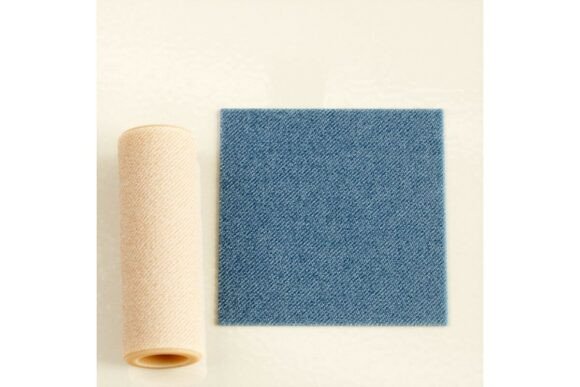
The primary distinction of the Realistic Denim Jeans Fabric Texture Roller lies in its construction and pattern resolution. Most texture rollers are solid cylinders, which adds unnecessary weight and can make prolonged rolling sessions fatiguing. In contrast, this specific roller features a hollow-core design. This engineering choice significantly reduces the overall mass of the tool, allowing for lighter handling and greater control when applying pressure to delicate surfaces.
The surface of the roller is crafted from a durable tan-colored material, chosen for its resilience against wear and its ability to hold fine detail without degrading over time. The defining feature, however, is the embossed pattern itself. It utilizes a high-resolution diagonal grid that accurately mimics the twill weave found in standard denim jeans. When rolled across a soft substrate, the tool creates raised ridges and recessed valleys that catch light similarly to actual fabric fibers. This optical effect is crucial for realism; flat textures often fail under scrutiny because they lack the depth variation inherent in woven textiles.
The hollow design also facilitates a seamless application. Because the roller is lightweight, users can maintain a consistent rolling speed and pressure, reducing the likelihood of creating visible seams or uneven texture lines that often plague heavier, solid tools. This continuity is particularly important when covering larger areas, such as the torso of a figurine or the side of a ceramic mug.
Comparative Analysis: Rollers vs. Stamps and Hand-Sculpting
When evaluating texturing options, the Realistic Denim Jeans Fabric Texture Roller must be weighed against other common techniques, including texture stamps, silicone mats, and manual sculpting. Each method offers different tradeoffs regarding efficiency, coverage area, and aesthetic outcome.
Texture Stamps are popular for small, localized details. They allow for precise placement but require repetitive pressing to cover a large surface. This repetition can lead to misalignment, resulting in a patchwork look rather than a continuous weave. The roller eliminates this issue by providing a fluid, uninterrupted motion. However, stamps may offer slightly deeper impressions depending on the user's hand strength, whereas the roller relies on the even distribution of rolling force.
Silicone Mats provide a similar continuous texture but require the artist to press the medium into the mat rather than rolling over it. This can be cumbersome for complex shapes, such as the curved legs of a doll or the contours of a figurine. The cylindrical shape of the Realistic Denim Jeans Fabric Texture Roller allows it to conform to curves more naturally, wrapping around three-dimensional forms without distorting the pattern.
Hand-Sculpting remains the gold standard for unique, irregular textures but is rarely practical for replicating uniform fabrics like denim. Achieving the consistent diagonal angle of a twill weave by hand requires immense skill and patience. For projects requiring multiple identical garments or large-scale textile effects, the roller offers a significant advantage in both time management and visual consistency.
Strengths and Limitations of the Roller Approach
- Precision: The high-resolution pattern captures fine details that lower-quality plastic rollers often miss, preventing the "muddy" look common in cheap alternatives.
- Ergonomics: The lightweight, hollow core reduces hand strain during extended use, making it suitable for larger projects.
- Versatility: Effective across multiple mediums, from firm cookie dough to soft polymer clay.
- Limitation: The tool is specialized. It excels at denim and twill but cannot replicate other fabrics like silk, leather, or knitwear without switching tools.
- Surface Dependency: The quality of the final result depends heavily on the preparation of the base material. If the clay or fondant is too dry or too sticky, the texture may not transfer cleanly.
Application Across Creative Disciplines
The utility of the Realistic Denim Jeans Fabric Texture Roller extends beyond a single hobby. Its effectiveness varies based on the properties of the medium being used.
Polymer Clay Sculpting
In the realm of miniature art, creating realistic clothing for dolls, figurines, or dioramas is a frequent challenge. Artists often struggle to make clay look like cloth. By using this roller on conditioned polymer clay before baking, the surface gains a tactile roughness that mimics cotton denim. This texture interacts with paint differently than smooth clay; washes settle into the grooves of the weave, enhancing shadows and depth. This technique is particularly effective for creating pockets, collars, and cuffs where fabric structure is most visible.
Baking and Pastry Arts
For cake decorators, the demand for fashion-themed cakes—such as those shaped like pairs of jeans or t-shirts—requires a convincing fabric illusion. Fondant is the standard medium here. The roller works exceptionally well on rolled-out fondant, imprinting the diagonal pattern before the fondant is draped over the cake structure. The result is a matte, textured finish that resembles heavy cotton rather than shiny sugar paste. This is critical for avoiding the "plastic" look that often plagues edible fabric designs.
Pottery and Ceramics
Ceramic artists seeking to add subtle, tactile interest to functional ware like mugs or plates can utilize this tool on leather-hard clay. While less common than in clay sculpting, adding a denim-like texture to ceramics can create a modern, industrial aesthetic. The key here is timing; the clay must be firm enough to hold the impression but soft enough to accept the deep grooves. Once fired, the texture becomes permanent, offering a unique grip and visual appeal that distinguishes the piece from standard glazed ceramics.
Decision Factors: Is This Tool Right for Your Project?
While the Realistic Denim Jeans Fabric Texture Roller is a powerful addition to an artist's toolkit, it is not a universal solution. Several factors should influence the decision to acquire this specific tool.
Project Scale and Frequency: If you frequently create figures wearing denim or work on textile-inspired ceramics, the investment is justified by the time saved and the quality improvement. However, if your work involves a wide variety of random textures, a multi-pattern texture wheel might offer better value, despite potentially lower resolution on any single pattern.
Desired Aesthetic: This tool produces a very specific look: structured, diagonal, and woven. If your goal is to simulate soft, drapey fabrics like chiffon or stretchy knits, this roller will likely produce a texture that is too rigid. In such cases, alternative tools like stippling brushes or lace molds would be more appropriate.
Medium Consistency: Users must consider the nature of their primary medium. The roller performs best on materials that have a slight give but retain shape immediately upon pressure. Extremely soft clays that slump or very hard doughs that resist indentation may not yield optimal results without significant practice in adjusting pressure.
Practical Considerations for Usage
To maximize the effectiveness of the Realistic Denim Jeans Fabric Texture Roller, proper technique is paramount. The tool relies on even pressure; pushing too hard can distort the underlying form, while rolling too lightly may fail to capture the full depth of the weave. It is advisable to test the roller on scrap material first to gauge the ideal pressure for your specific batch of clay or fondant.
Cleaning is another practical aspect. Because the pattern consists of fine, recessed lines, debris can accumulate quickly. Regular cleaning with a soft brush ensures that the texture remains crisp and does not become clogged with dried clay or sugar particles, which would otherwise flatten the embossed effect.
Ultimately, the Realistic Denim Jeans Fabric Texture Roller serves as a bridge between the raw potential of malleable materials and the intricate reality of woven textiles. By offering a lightweight, high-resolution solution for creating denim effects, it addresses a specific gap in the market for artists seeking efficiency without sacrificing detail. Whether for the miniature sculptor aiming for photorealism or the baker crafting a themed dessert, understanding the tool's capabilities and limitations allows for informed integration into a diverse creative workflow.